
Understanding Sleep Apnea: How Your Dentist Can Help You Sleep Better
Sleep apnea is one of the most overlooked health conditions—even though it affects millions of people in the U.S. Many patients don’t realize that dentists play a major role in detecting and treating sleep apnea, especially when oral structures contribute to nighttime breathing problems.
If you consistently feel tired, snore loudly, or wake up unrefreshed despite a full night’s sleep, sleep apnea may be the cause. Early diagnosis and treatment can protect your long-term health and significantly improve your quality of life.

What Is Sleep Apnea?
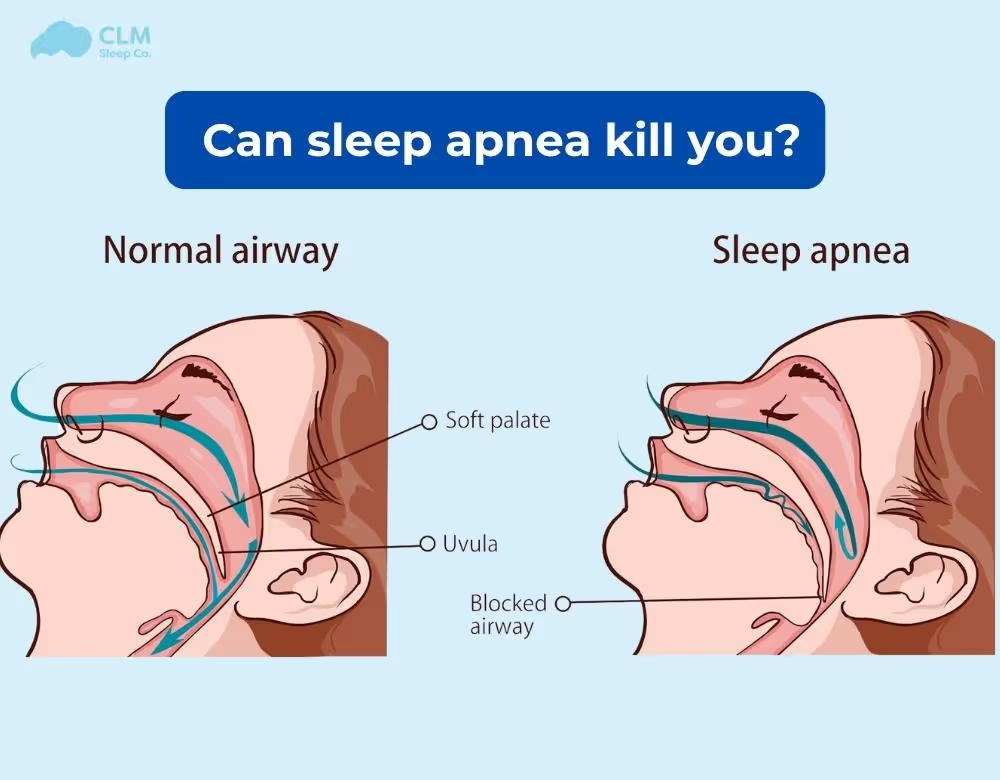
Sleep apnea is a condition where breathing repeatedly stops and starts during sleep. The most common type is Obstructive Sleep Apnea (OSA), which happens when the airway becomes blocked—often by the tongue, soft tissues, or jaw position.
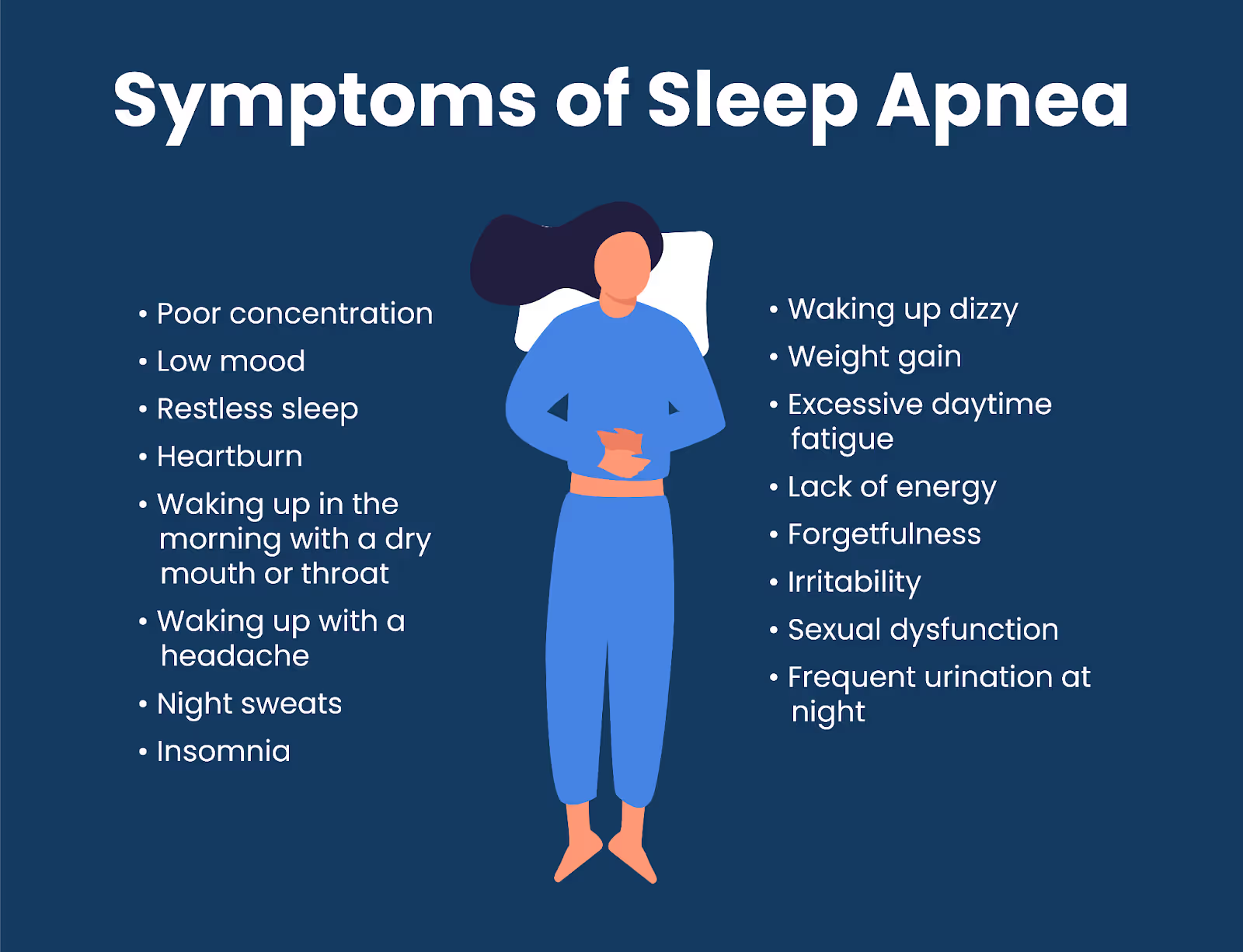
Common symptoms include:
- Loud or frequent snoring
- Morning headaches
- Waking up gasping for air
- Daytime fatigue or irritability
- Difficulty concentrating
- Dry mouth in the morning
Many people dismiss these signs as “normal,” but they are actually strong indicators of disrupted sleep and reduced oxygen levels.
Why Dentists Play an Important Role
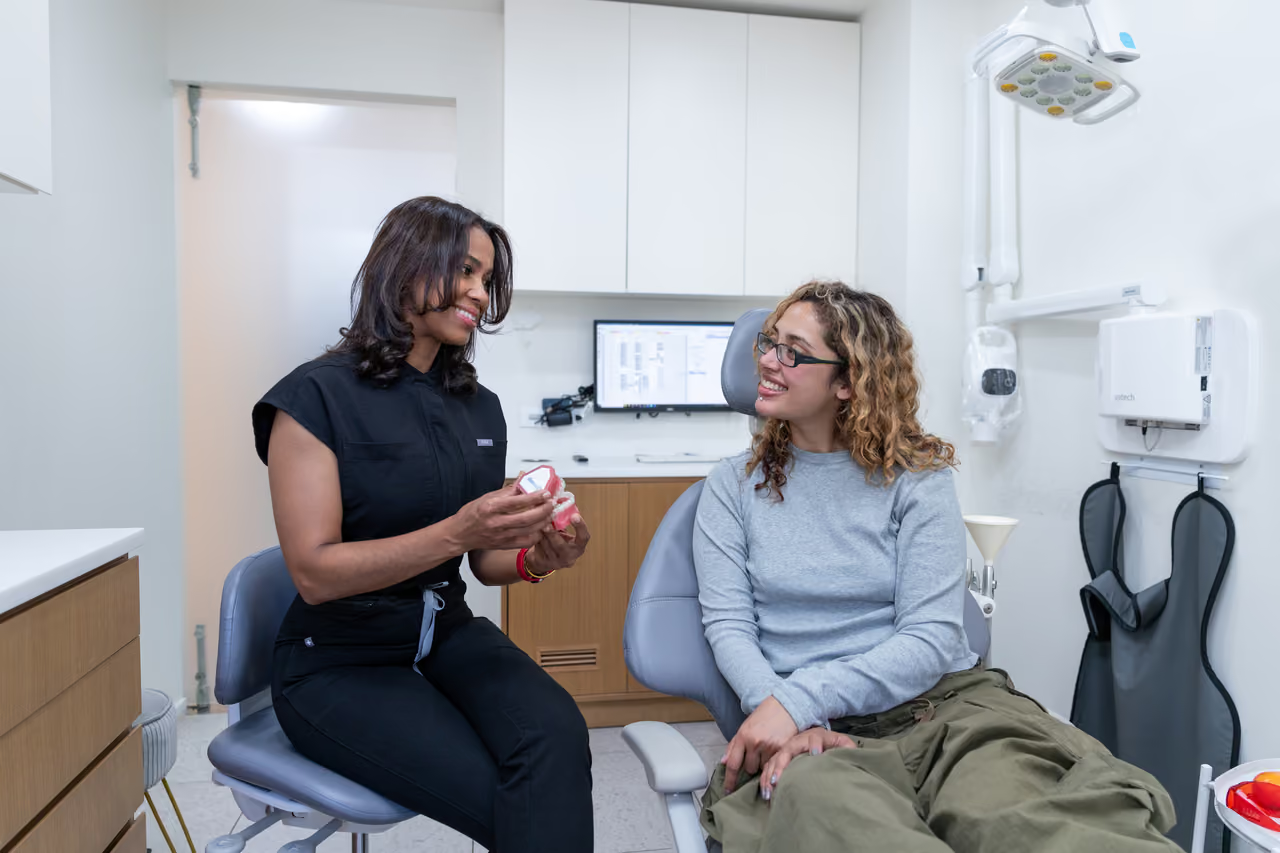
Dentists are often the first to notice structural and anatomical signs of sleep apnea. During your exam, we evaluate the airway, tongue posture, bite, jaw position, and oral tissues, all of which influence nighttime breathing.
As dental providers, we can:
- Identify warning signs of airway obstruction
- Discuss your sleep symptoms and risk factors
- Recommend sleep testing options
- Provide effective oral appliance therapy when appropriate
What Is Oral Appliance Therapy?
For many patients, especially those with mild to moderate sleep apnea, a custom-made oral appliance can be a comfortable and highly effective treatment option.
This small device is worn during sleep to gently reposition the jaw and prevent the airway from collapsing.
Benefits of oral appliances:
- Comfortable and easy to use
- Portable and great for travel
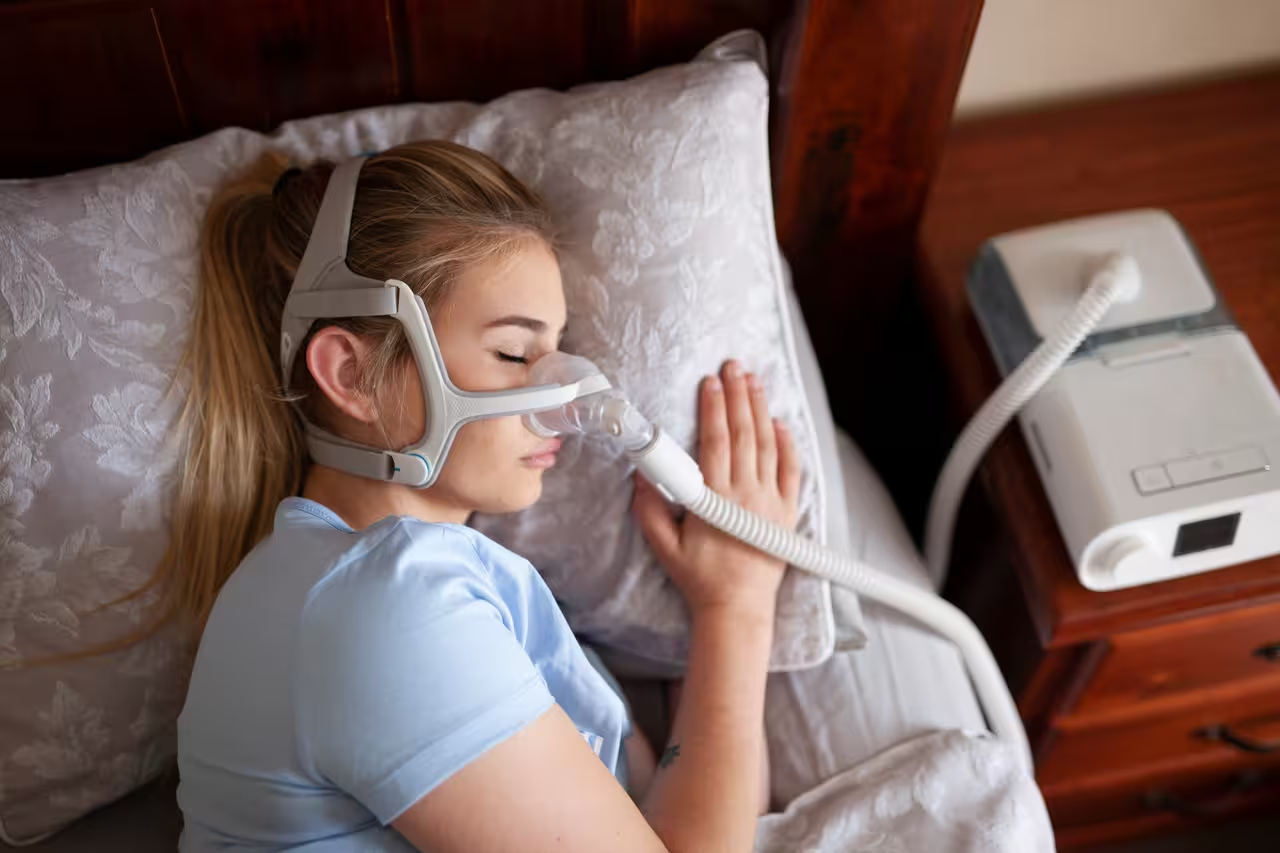
- Quiet (unlike CPAP machines)
- Custom-fitted for your mouth
- Proven to reduce snoring and improve oxygen flow
Many patients who cannot tolerate CPAP therapy find oral appliances to be life-changing.
How Untreated Sleep Apnea Affects Your Health
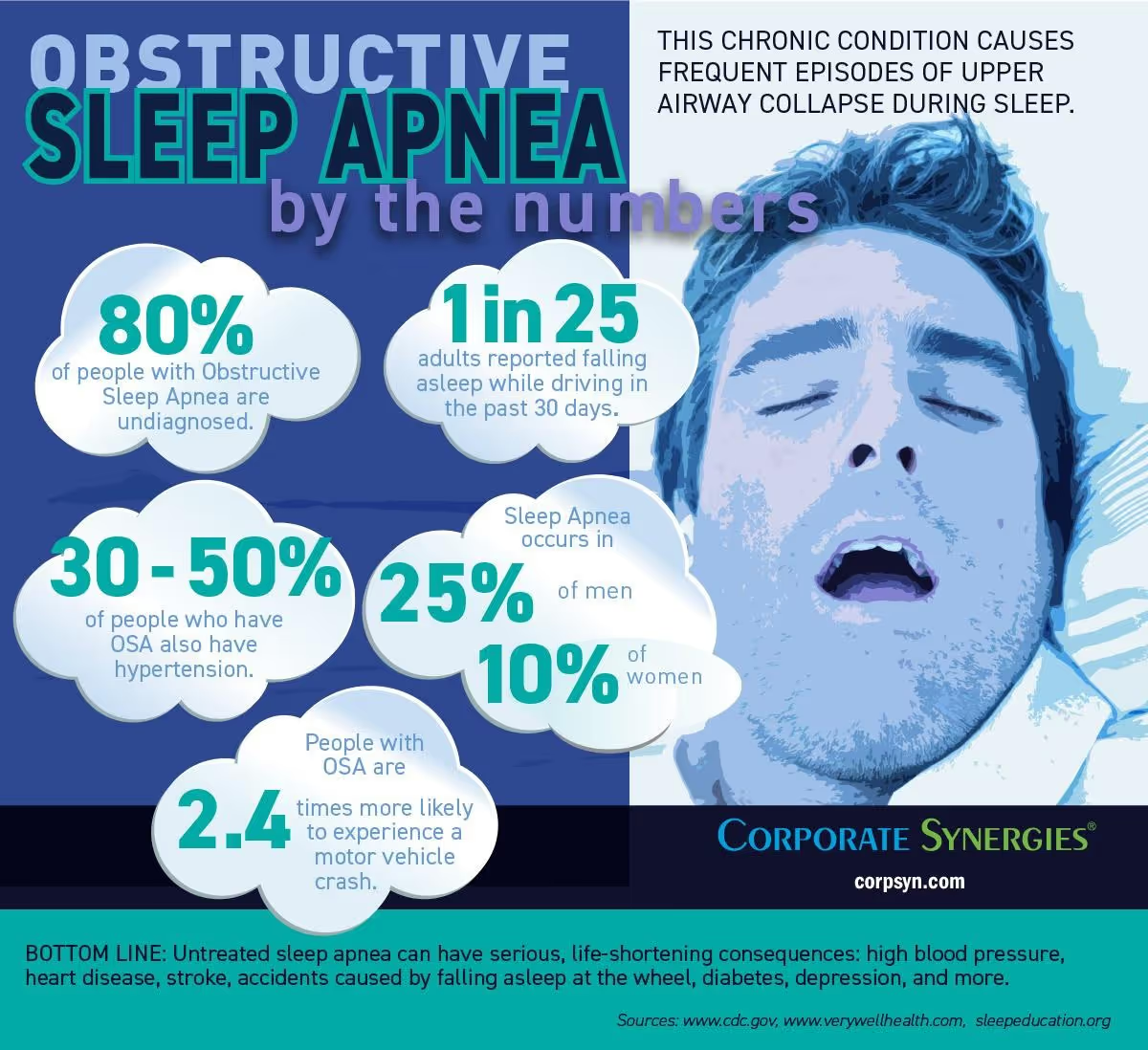
Ignoring sleep apnea can lead to serious health complications, including:
- High blood pressure
- Heart disease
- Stroke risk
- Alzheimer’s disease
- Sexual dysfunction
- Type 2 diabetes
- Chronic fatigue and reduced focus
- Increased risk of accidents
- Mood disorders and depression
Getting evaluated early is one of the best things you can do for your long-term health.
Is It Time to Get Checked?
If you snore, feel tired during the day, or suspect you might have sleep apnea, a dental evaluation can be the first step toward better sleep and better health.
We work closely with sleep physicians and can guide you through every step—from screening to treatment.
Frequently Asked Questions (FAQ)
1. How do I know if I have sleep apnea?
Common signs include snoring, choking during sleep, daytime exhaustion, and restless sleep. A sleep test is required for diagnosis—your dentist can guide you.
2. Is a dental oral appliance as effective as a CPAP?
For mild to moderate sleep apnea, oral appliances are highly effective. Many patients find them more comfortable and easier to use than CPAP.
3. Does snoring always mean sleep apnea?
Not always, but snoring is the #1 symptom associated with airway obstruction. It’s best to get screened.
4. Is oral appliance therapy covered by insurance?
Many medical insurance plans provide coverage for sleep apnea treatment. We can help with verification.
5. Can untreated sleep apnea affect overall health?
Yes. It increases the risk of cardiovascular disease, high blood pressure, diabetes, stroke, and chronic fatigue.
6. Will a dentist diagnose sleep apnea?
Only a sleep physician provides the official diagnosis. Dentists screen, evaluate airway risk, and provide treatment appliances after a diagnosis.
7. Is the treatment uncomfortable?
No—custom appliances are thin, easy to wear, and far more comfortable than bulky devices.
Want a Sleep Apnea Evaluation?
Our team provides modern, patient-centered care with advanced technology and customized treatment options.
Both locations offer comfortable consultations and access to airway-focused dental care.