

Sedation Dentistry Options: How to Choose the Right Level of Comfort
The phrase "sedation dentistry" covers a wider range than most people expect. It includes everything from a mild gas that wears off before you leave the building to medication that leaves you with little memory of the appointment. Choosing between them is less about how nervous you feel in the abstract and more about the specific procedure, its length, and how your body has responded to dental treatment before.
Here is what each option involves and the situations each tends to suit.
Nitrous Oxide
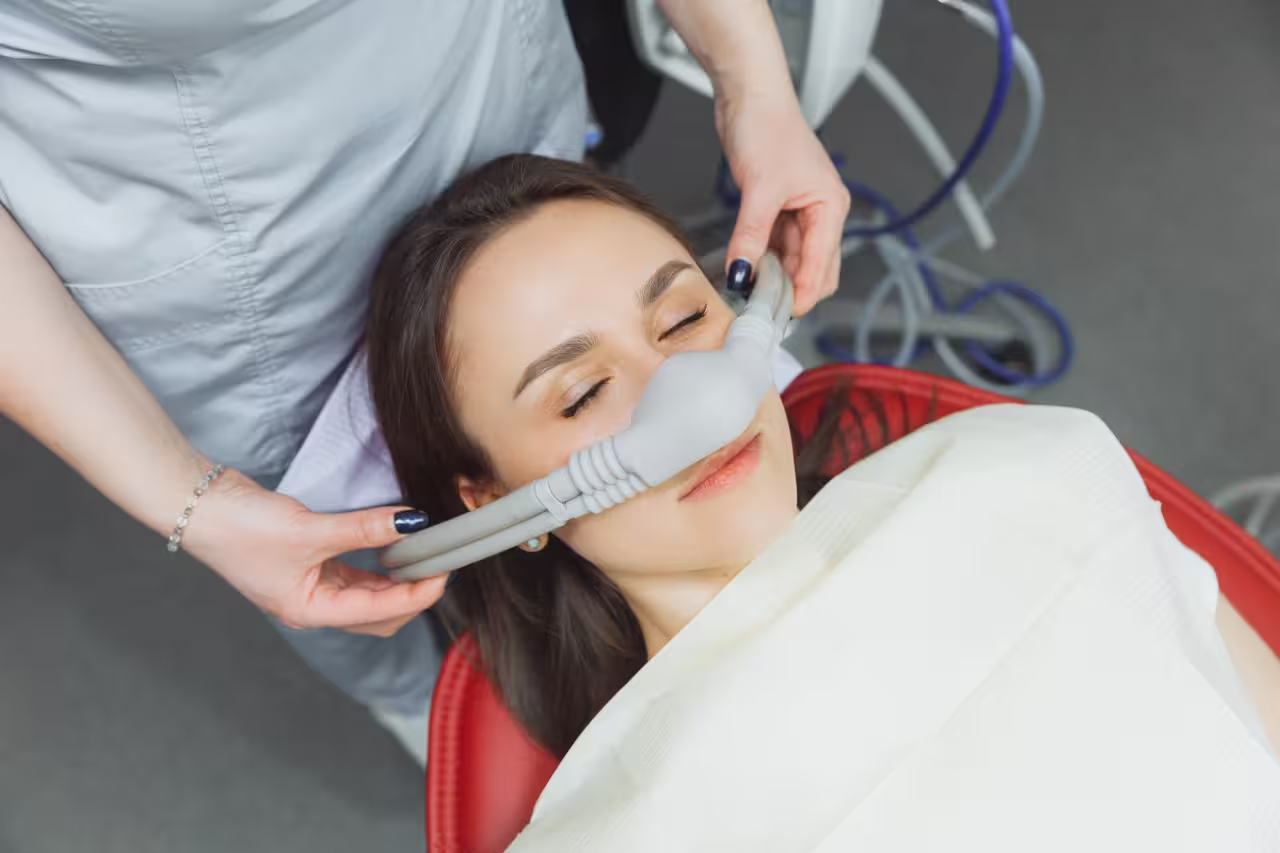
Nitrous oxide is inhaled through a small mask placed over the nose. It takes effect within a few minutes and produces a light, floating sensation while leaving you fully awake and able to respond to questions.
Its defining characteristic is how quickly it clears. Once the mask comes off and you breathe ordinary oxygen for a short period, the effect dissipates almost entirely. Most patients drive themselves home and return to work the same afternoon.
Suits: shorter appointments, mild to moderate anxiety, patients who want to remain alert, and anyone who cannot arrange a ride home.
Less suited to: long surgical appointments, significant dental phobia, or patients with certain respiratory conditions, which we screen for beforehand.
Oral Sedation
Oral sedation involves taking prescribed medication before your appointment, typically an hour ahead. The effect is deeper than nitrous oxide. Patients remain conscious and able to follow instructions but often feel detached from the procedure, and many recall little of it afterward.
The tradeoff is timing. Because the medication is metabolized rather than inhaled, it cannot be adjusted mid-appointment, and it takes several hours to wear off. You will need someone to drive you and should plan to rest for the remainder of the day.
Suits: moderate to significant anxiety, longer restorative appointments, patients with a strong gag reflex, and those who would prefer not to remember the visit.
Less suited to: patients who need to work afterward, or anyone unable to arrange transportation.
IV Sedation
IV sedation is delivered directly into the bloodstream, which allows the depth to be adjusted continuously during treatment rather than set in advance. Onset is rapid and the level of sedation is the most controllable of the three.
Patients under IV sedation are typically in a state where time passes without much awareness. Monitoring continues throughout. Recovery takes longer than the other options, and the same transportation and rest requirements apply as with oral sedation.
Suits: extended surgical appointments, multiple procedures combined into one visit, severe dental anxiety, and cases where previous local anesthetic alone proved insufficient.
Less suited to: brief routine appointments, where the recovery burden outweighs the benefit.
How the Decision Gets Made
Three factors carry most of the weight.
Procedure length and complexity. A single filling and a full afternoon of surgical work call for different approaches. Combining several procedures into one sedated visit is often more comfortable than spreading them across four separate appointments.
Your history with dental treatment. Patients who have had a genuinely difficult experience, who tense up in the chair despite intending not to, or who have avoided care for years often benefit from more than nitrous oxide. This is worth stating plainly at the consultation rather than downplaying.
Medical background. Current medications, respiratory conditions, cardiovascular history, pregnancy, and prior reactions to anesthesia all affect which options are appropriate. We review this before recommending anything.
What Sedation Does Not Replace
Sedation manages awareness and anxiety. It does not replace local anesthetic, which is what actually blocks sensation at the treatment site. In nearly every case the two are used together. Patients sometimes assume sedation alone means they will feel nothing, and it is worth clearing that up before the appointment rather than during it.
Practical Preparation
If you are scheduled for oral or IV sedation, a few things make the day go more smoothly:
Follow the fasting instructions you are given. They vary by option and by individual circumstance, so use what you receive rather than general advice.
Arrange your ride before the appointment, not the morning of. Rideshare is not always acceptable depending on the sedation level, so confirm with the office.
Wear clothing with sleeves that move easily above the elbow if IV sedation is planned.
Bring a current list of medications and supplements, including anything over the counter.
Clear the rest of the day. Patients frequently underestimate how much residual grogginess remains six hours later.
Where This Is Offered
Sedation options are available at both Madison Dental Loft in Midtown Manhattan and Concierge Dental Design in the Financial District. Which options suit your case is determined during consultation and depends on the procedure planned and your medical history.
Sedation is frequently paired with oral surgery, tooth extractions, coronectomy, and full mouth reconstruction, though it is also available for routine care when anxiety would otherwise prevent someone from being seen.
Anxious About an Upcoming Appointment?
Tell us before you book rather than after. Knowing in advance lets us plan the visit around your comfort instead of adjusting mid-procedure. Read more on our sedation dentistry page.